The first day: what to have ready
Pick who’s coming home: what must be ready before it arrives, from vets’ care sheets. For puppies and kittens there’s a full checklist to tick off.
Who lives with you?
Small mammals
Spiders
Tap your pet: what it needs shows up below.

Dog
For your dog there’s a full checklist to tick off, with what to buy and what to know.

Cat
For your cat there’s a full checklist to tick off, with what to buy and what to know.

Rabbit
- Company
- in pairs, always
- Space
- for a pair, at least 3 × 2 m (about 10 × 6.5 ft) and 1 m (3.3 ft) high
- What it eats
- hay and grass: about 85% of the diet
Before it arrives
- An enclosure of at least 3 × 2 m (about 10 × 6.5 ft), 1 m (3.3 ft) high, for two rabbits: one connected space where they can run
- A companion: rabbits should live at least in pairs (often a male and a female, both neutered)
- A shelter they can always reach, and enough hiding places for everyone without fighting
- Plenty of good hay, sweet-smelling and dust-free, and fresh water at all times
- A litter box with recycled paper or hay, never clumping litter or wood shavings
- A dry spot at 10–20 °C (50–68 °F), away from drafts, radiators and direct sun
- A rabbit-savvy vet, for the first check-up and the vaccines
Its home: temperature and light
- The room
- 10–20 °C (50–68 °F)
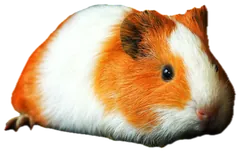
Guinea pig
- Company
- with at least one other guinea pig
- Space
- a roomy pen; indoors when it’s below 15 °C (59 °F)
- What it eats
- hay, fresh pellets and vegetables every day
Before it arrives
- At least two guinea pigs: they shouldn't live alone
- A big space where they can run and stand up on their back legs, plus an exercise area
- One more hideout than the number of guinea pigs, and a few tunnels
- Bedding: dust-free shavings and hay; never pine, straw or cotton wool
- Plenty of grass hay, guinea pig pellets and vegetables rich in vitamin C
- Untreated wood to chew: their teeth never stop growing
- A spot at 17–20 °C (63–68 °F), away from radiators, sun and drafts, and from dogs, cats and ferrets
Its home: temperature and light
- The room
- 17–20 °C (63–68 °F)
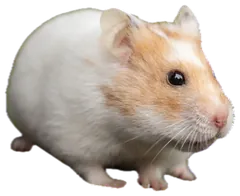
Hamster
- Company
- alone (Syrian hamster)
- Space
- at least 100 × 50 cm (39 × 20 in) of floor, 25 cm (10 in) of bedding, a 30 cm (12 in) wheel
- What it eats
- hamster mix and a few vegetables
Before it arrives
- A cage with at least 100 × 50 cm (39 × 20 in) of floor, ideally on one level: bigger is better
- At least 25 cm (10 in) of bedding to dig burrows
- A wheel at least 30 cm (12 in) wide with a solid running surface, no bars
- Hidden nest boxes to sleep in during the day
- Hamster pellets, timothy hay and wood to chew
- A water bottle with a sipper tip and sturdy bowls
- A quiet spot at 18–26 °C (64–79 °F), away from TVs, computers and running water (they make ultrasound)
- Just one hamster: Syrians live alone and two will fight
Its home: temperature and light
- The room
- 18–26 °C (64–79 °F)
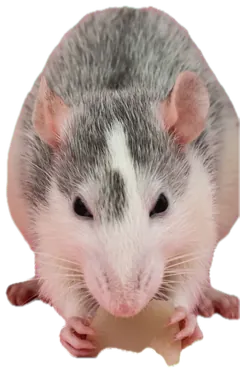
Pet rat
- Company
- never alone: at least two of the same sex
- Space
- a big multi-level cage, with hammocks and hides
- What it eats
- rat pellets plus a little fruit and vegetables every day
Before it arrives
- At least two rats of the same sex, ideally siblings: never alone
- A big multi-level cage (ferret or chinchilla cages work), with a solid floor, not wire mesh
- Hammocks, ropes, ladders, tunnels and hides at different heights
- Dust-free bedding; never cedar or pine shavings, newspaper or cotton wool
- Rat nuggets and a kitchen scale to weigh them
- Ceramic bowls (not metal) and several water bottles, so they can all drink at once
- A spot at 19–23 °C (66–73 °F), with no drafts, away from bathrooms, TVs and computers (they make ultrasound)
Its home: temperature and light
- The room
- 18–26 °C (64–79 °F)

Ferret
- Company
- at least two together
- Space
- a ferret-proofed home and several hours of play outside the cage every day
- What it eats
- meat-based ferret food, always available
Before it arrives
- At least two ferrets (no more than four together, ideally littermates), all neutered or with a hormone implant
- A ferret-proofed home, because it needs several hours a day of play outside its enclosure
- A big enclosure with hammocks, or a sleeping box lined with a T-shirt
- A litter box away from food and bed, with non-clumping cat litter
- Heavy or clip-on bowls and a water bottle: they tip everything over
- Ferret kibble, always available
- A dry, draft-free spot at 15–21 °C (59–70 °F): they don't sweat and suffer in the heat
- A vet who knows ferrets, found before you get them
Its home: temperature and light
- The room
- 15–23 °C (59–73 °F)
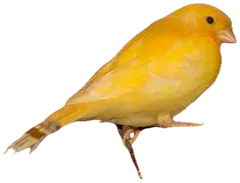
Canary
- Company
- alone or in pairs: the sources disagree
- Space
- a cage where it can stretch its wings in every direction; an aviary is better
- What it eats
- 1–2 teaspoons of seed a day, plus vegetables and cuttlebone
Before it arrives
- Best as a pair: the German Animal Welfare Federation says never keep one alone (two, or a group of at least four), while Merck says canaries are territorial and do well alone or in pairs
- An aviary at least 2 m long, 1 m wide and 2 m high (about 6.5 × 3.3 × 6.5 ft) for 2 to 6 canaries; at the very least, a cage where it can stretch its wings in every direction
- Natural branches of different thicknesses as perches; no mirrors, fake birds or sandpaper perches
- Several feeders and water bottles (ideally one per bird) and a bath dish
- Paper on the floor and a lamp with UVA and UVB if it lives only indoors
- Good seed or pellets, a cuttlebone and grit
- A bright, quiet spot at 18–20 °C (64–68 °F), never the kitchen, with no smoke, air fresheners or overheated non-stick pans
- A safe room where it can fly free every day, for a few hours
Its home: temperature and light
- The room
- 18–20 °C (64–68 °F)
- Light
- 12–14 hours a day
- UVB lamp
- needed
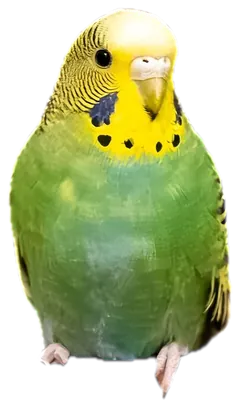
Budgies
- Company
- in pairs or groups
- Space
- out of the cage every day, in a safe room
- What it eats
- budgie mix, vegetables; never avocado
Before it arrives
- A companion of the same species: budgies live in flocks
- A cage at least 1.5 times its wingspan in height, width and depth (2 times if it stays inside most of the time); an aviary is better
- At least 6 hours a day out of the cage, in a safe room where it can fly: windows closed, fans off, never the kitchen
- Natural branch perches of different thicknesses; no sandpaper perches
- A bird UV lamp above the cage: window glass blocks UVB
- Budgie pellets, a few seeds, fresh vegetables; drinking water and a shallow dish for bathing
- Paper on the cage floor (not wood chips, corncob or cat litter) and a digital gram scale
- A home without cigarette smoke, air fresheners or overheated non-stick pans: the fumes can kill it
Its home: temperature and light
- The room
- 12–26 °C (54–79 °F)
- Light
- 12–14 hours a day
- UVB lamp
- needed
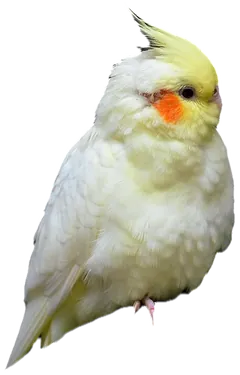
Cockatiel
- Company
- out of the cage every day
- Space
- a cage of at least 60 × 60 × 90 cm (24 × 24 × 35 in) per bird
- What it eats
- pellets and seeds, with fresh vegetables and fruit every day
Before it arrives
- A companion of the same species: cockatiels live in flocks
- A cage at least 1.5 times its wingspan in height, width and depth (2 times if it stays inside most of the time); an aviary is better
- At least 6 hours a day out of the cage, in a safe room where it can fly: windows closed, fans off, never the kitchen
- Natural branch perches of different thicknesses; no sandpaper perches
- A bird UV lamp above the cage: window glass blocks UVB
- Cockatiel pellets, a few seeds, fresh vegetables; drinking water and a shallow dish for bathing
- Paper on the cage floor (not wood chips, corncob or cat litter) and a digital gram scale
- A home without cigarette smoke, air fresheners or overheated non-stick pans: the fumes can kill it
Its home: temperature and light
- The room
- 12–26 °C (54–79 °F)
- Light
- 12–14 hours a day
- UVB lamp
- needed
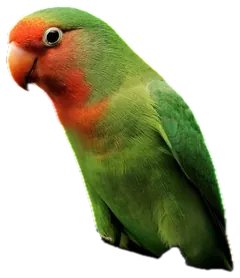
Lovebirds
- Company
- in pairs
- Space
- a big cage, time out every day, away from the kitchen
- What it eats
- pellets and fresh vegetables every day, few seeds
Before it arrives
- A companion of the same species: lovebirds live in flocks
- A cage at least 1.5 times its wingspan in height, width and depth (2 times if it stays inside most of the time); an aviary is better
- At least 6 hours a day out of the cage, in a safe room where it can fly: windows closed, fans off, never the kitchen
- Natural branch perches of different thicknesses; no sandpaper perches
- A bird UV lamp above the cage: window glass blocks UVB
- Small-parrot pellets, a few seeds, fresh fruit and vegetables; clean water at all times
- Paper on the cage floor (not wood chips, corncob or cat litter) and a digital gram scale
- A home without cigarette smoke, air fresheners or overheated non-stick pans: the fumes can kill it
Its home: temperature and light
- The room
- 12–26 °C (54–79 °F)
- Light
- 12–14 hours a day
- UVB lamp
- needed
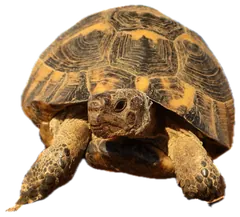
Tortoise
- Company
- outdoors in the warm months, safely fenced
- Space
- about 10 m² (108 sq ft) outdoors per tortoise, with shade and shelter
- What it eats
- wild weeds, flowers and grass; little supermarket produce
Before it arrives
- An outdoor pen of at least 10 m² (108 sq ft) per tortoise, with a wall at least 45–50 cm (18–20 in) high and buried 10–15 cm (4–6 in), shade and a waterproof shelter in the sun
- An indoor enclosure of at least 180 × 120 cm (6 × 4 ft) for one tortoise, with soil and soft sand at least 5 cm (2 in) deep
- A basking lamp for a 35 °C (95 °F) spot and a UVB lamp less than 30 cm (12 in) away; the rest at 20–25 °C (68–77 °F) by day and 15 °C (59 °F) at night
- A timer: 12 hours of light in winter, 13 in spring and fall, 14 in summer
- A shallow water dish to drink and bathe in
- Pesticide-free wild weeds (dandelion, clover, plantain) and cuttlebone
- No gravel, wood shavings, alfalfa pellets, calcium sand or cat litter
- A reptile vet, who will also check it before brumation
Its home: temperature and light
- Basking spot
- 35 °C (95 °F)
- Cool side
- 20–25 °C (68–77 °F)
- At night
- 15–22 °C (59–72 °F)
- Humidity
- 30–50%
- Light
- 12–14 hours a day
- UVB lamp
- needed
In the EU the three European tortoises (Testudo hermanni, graeca and marginata) are in Annex A of the wildlife trade rules: in Italy, buying or selling one, even as a swap, needs a certificate from the Carabinieri CITES units, plus a microchip and a declaration of possession.

Red-eared slider
- Company
- in a big tank, with a dry basking island
- Space
- about 15 liters of water per cm of shell (10 gallons per inch), at least twice as deep as it is long
- What it eats
- every day when young, every 2–3 days as an adult
Before it arrives
- A big tank: at least 80 liters of water per 5 cm of shell (for 25 cm, 400 liters, about 105 gallons), with water at least twice as deep as the shell is long
- A dry island with a ramp, under a guarded heat lamp (30–35 °C / 86–95 °F), plus another, cooler dry spot
- A 7–12% UVB lamp over two thirds of the tank, and a timer
- A guarded aquarium heater with a thermostat (about 25 °C / 77 °F for babies, 22 °C / 72 °F for adults) and a water thermometer
- A powerful filter, tap water conditioner and test kits for ammonia and nitrite
- A separate tub to feed it in
- Start the tank two weeks before: the water warms up and the filter starts to work
Its home: temperature and light
- Basking spot
- 30–35 °C (86–95 °F)
- Cool side
- 22–27 °C (72–81 °F)
- Water
- 22–30 °C (72–86 °F)
- Light
- 10–14 hours a day
- UVB lamp
- needed
It has been on the EU list of invasive species since 2016: it can no longer be kept, bred or sold. People who already had one may keep it for the rest of its life, as long as it can’t escape or breed.

Leopard gecko
- Company
- in a warm terrarium, with a humid hide
- Space
- a terrarium with one side at 28–32 °C (82–90 °F) and one at 23–26 °C (73–79 °F)
- What it eats
- insects, every 2–3 days as an adult
Before it arrives
- A vivarium at least 60 × 40 × 30 cm (24 × 16 × 12 in; long, high, deep) for one adult gecko, well ventilated and secure
- A guarded heat lamp with a thermostat: one end at 28–30 °C (82–86 °F) and one at 24–26 °C (75–79 °F), with two digital thermometers
- A low-output UVB tube (2–5%) and a timer for 12 hours of light
- Several hides at the warm and cool ends, plus a humid hide with damp moss
- A safe floor such as tile, slate or reptile carpet; no calcium sand, beech chips or corncob
- A shallow dish of clean water at the cool end
- Farm-raised live insects, plain calcium powder and a reptile multivitamin
- Set up and run the vivarium for at least a week before it arrives
Its home: temperature and light
- Basking spot
- 28–32 °C (82–90 °F)
- Cool side
- 23–26 °C (73–79 °F)
- At night
- 18–25 °C (64–77 °F)
- Humidity
- 30–40%
- Light
- 12 hours a day
- UVB lamp
- needed
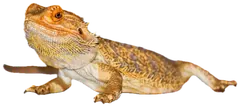
Bearded dragon
- Company
- warm: a basking spot at 38–42 °C (100–108 °F)
- Space
- a big terrarium, with a UVB tube about half its length
- What it eats
- insects no bigger than its mouth, plus greens; adults about 60% greens. In the morning
Before it arrives
- A vivarium at least 120 × 60 × 60 cm (48 × 24 × 24 in; long, high, wide) for one adult, ventilated and secure
- A guarded heat lamp with a thermostat: basking spot at 38–42 °C (100–108 °F), cool end at 22–26 °C (72–79 °F), and two thermometers
- A high-output UVB tube (10–12%) up to half the vivarium's length, fitted inside (glass blocks UVB), and a 12-hour timer
- A heater that gives no light for the night, if the room drops below 20–22 °C (68–72 °F)
- A hide at each end, plus rocks and sturdy branches to climb
- A safe floor: rough tiles or slate, or reptile carpet (paper towels for babies); no gravel, corncob or cat litter
- A large shallow water dish, live insects, leafy greens and calcium powder
- Set up and run the vivarium for at least a week before it arrives
Its home: temperature and light
- Basking spot
- 38–42 °C (100–108 °F)
- Cool side
- 22–26 °C (72–79 °F)
- At night
- 20–22 °C (68–72 °F)
- Humidity
- 30–40%
- Light
- 12 hours a day
- UVB lamp
- needed
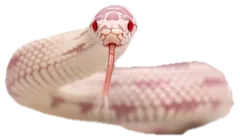
Corn snake
- Company
- alone: one snake per terrarium
- Space
- a terrarium with a locking lid and no gaps
- What it eats
- thawed frozen prey, every 7–14 days as an adult
Before it arrives
- A vivarium at least as long as the snake and a third as wide and high (for 150 cm: 150 × 50 × 50 cm, about 60 × 20 × 20 in), with a locking lid: it's an escape artist
- A guarded heat lamp with a thermostat (basking 28–30 °C / 82–86 °F, cool end 20–24 °C / 68–75 °F) and two thermometers
- At least two hides, one at each end, plus a humid one, and a branch to climb
- A water bowl it can fully soak in (shallow for babies, about 1 inch)
- Floor: soil with some sand and leaves, or paper or reptile carpet; never cedar, wood shavings, corncob or gravel
- A low-output UVB tube (2–7%) and a timer for 12 hours of light
- Frozen mice of the right size and tongs; never leave a live rodent alone with the snake
- Run the vivarium for a week first; after it arrives, leave it alone for 1 to 2 weeks
Its home: temperature and light
- Basking spot
- 28–32 °C (82–90 °F)
- Cool side
- 20–24 °C (68–75 °F)
- At night
- 16–20 °C (61–68 °F)
- Humidity
- 40–50%
- Light
- 12 hours a day
- UVB lamp
- helpful, not required
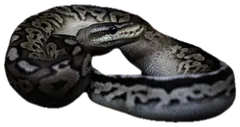
Ball python
- Company
- alone, with two hides
- Space
- a terrarium at 30–32 °C (86–90 °F) at the warm end, with a humid hide
- What it eats
- thawed frozen prey, every 7–14 days as an adult
Before it arrives
- A vivarium at least as long as the snake and at least a third of its length wide and high (for 120 cm: 120 × 40 × 40 cm, about 48 × 16 × 16 in), securely closed
- A guarded heat lamp with a thermostat (basking 30–32 °C / 86–90 °F, cool end 24–26 °C / 75–79 °F), two thermometers and a heater with no light for the night
- Several hides at both ends, snug when it's coiled, and a humid one with damp moss
- A water bowl big enough to soak in
- Reptile soil or paper; no sand, cedar, wood shavings, corncob or gravel
- Frozen prey and tongs to offer it; never live prey
- Run the vivarium for a week first; after it arrives, leave it alone for 1 to 2 weeks
Its home: temperature and light
- Basking spot
- 30–32 °C (86–90 °F)
- Cool side
- 24–26 °C (75–79 °F)
- At night
- 24–26 °C (75–79 °F)
- Humidity
- 50–80%
- Light
- 12 hours a day
- UVB lamp
- helpful, not required
In Italy only captive-bred pythons can be kept, not wild-caught ones (Legislative Decree 135/2022). The ball python is in Annex B of the EU wildlife trade rules (CITES): no certificate is needed, but keep proof of legal purchase, such as the invoice. In Italy, babies born at home must be reported within 10 days to the Carabinieri CITES units.
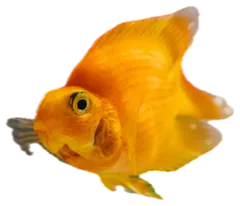
Goldfish
- Company
- in groups, in a real aquarium
- Space
- at least 100 liters (26 gallons) for one adult, plus 50 (13 gallons) for each extra fish
- What it eats
- food made for goldfish
Before it arrives
- An aquarium of at least 100 liters (26 gallons) for one adult goldfish, plus 50 (13 gallons) for each extra fish: never a bowl
- At least two goldfish: they're social
- A strong filter with adjustable flow (gentle for fancy goldfish)
- Water conditioner and a test kit (ammonia, nitrite, nitrate, pH)
- Let the filter mature before adding fish: ammonia and nitrite must be zero
- Plants covering about half the tank, and one covered side
- A spot away from direct sun, drafts, heat sources and noise
- Goldfish food (sinking pellets for fancy goldfish)
Its home: temperature and light
- Water
- 20–24 °C (68–75 °F)
- Light
- 10 hours a day
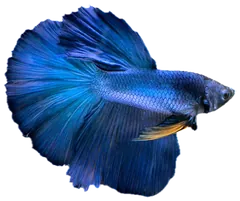
Betta fish
- Company
- one male per tank
- Space
- a heated, filtered tank of at least 20 liters (5 gallons), at 24–26 °C (75–79 °F)
- What it eats
- a little, once a day
Before it arrives
- A tank of at least 20 liters (5 gallons; 10 liters is the absolute minimum): never a bowl or a vase
- An aquarium heater with a thermostat, to keep the water at 24–26 °C (75–79 °F)
- A filter of the right size, with gentle, adjustable flow
- Tap water conditioner and a test kit (ammonia, nitrite, nitrate)
- Start the tank first: ammonia and nitrite must be zero; in the first 6 weeks, test every 2–3 days
- Soft plants and decorations without sharp edges; no mirrors
- Only one male per tank: two males will fight
- Betta food (pellets or flakes)
Its home: temperature and light
- Water
- 24–26 °C (75–79 °F)
- Light
- 10 hours a day
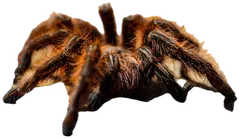
Tarantula
- Company
- always alone
- Space
- a terrarium wider than it is tall: a fall can injure it
- What it eats
- live insects, once or twice a week; remove leftovers
Before it arrives
- A glass or plastic enclosure wider than it is tall: for ground-dwelling species the height shouldn't exceed the spider's length, because a fall can kill it
- A secure lid with air holes (against escapes and mold)
- A hide, like a clay pot on its side or half a coconut shell
- 7–12 cm (3–5 in) of fertilizer- and pesticide-free soil, peat or coconut fiber; no sand, gravel or wood shavings
- A shallow water dish: it can drown in a deep one; no wet cotton wool or sponges
- A quiet, warm room (about 21–29 °C / 70–85 °F), away from bright lights, with a min-max thermometer; no heat lamps
- Farm-raised live insects of the right size (crickets, locusts)
- Only one tarantula per enclosure
Its home: temperature and light
- The room
- 21–29 °C (70–84 °F)
- Humidity
- 60–65%
In Italy only captive-bred tarantulas can be kept (Legislative Decree 135/2022). Many of the best-selling ones (Brachypelma, Tliltocatl and, since 29 June 2026, Grammostola rosea) are in Annex B of the EU wildlife trade rules: no certificate is needed, but keep proof of legal purchase, such as the invoice.
Always ask your vet: this site helps you understand, it doesn’t replace a checkup.
Sources
All 74 sources, pet by pet
- Rabbit Welfare Association & Fund, Space recommendations (checked on October 13, 2026)
- RSPCA, Rabbit health (checked on October 13, 2026)
- RSPCA, Rabbit company (checked on October 13, 2026)
- RSPCA, Rabbit environment (checked on October 13, 2026)
- RSPCA, Rabbit diet (checked on October 13, 2026)
- Merck Veterinary Manual, Providing a Home for a Rabbit (checked on October 13, 2026)
- Merck Veterinary Manual, Routine Health Care of Rabbits (checked on October 13, 2026)
- Rabbit Welfare Association & Fund, Vaccines (checked on October 13, 2026)
- Rabbit Welfare Association & Fund, Keeping rabbits cool in hot weather (checked on October 13, 2026)
- PDSA, How long do pets live? (checked on September 30, 2026)
- RSPCA, Guinea pig environment (checked on October 13, 2026)
- RSPCA, Guinea pig diet (checked on October 13, 2026)
- Merck Veterinary Manual, Nutritional Problems of Guinea Pigs (checked on October 13, 2026)
- RSPCA, Guinea pig health (checked on September 30, 2026)
- PDSA, Guinea pig health (checked on September 30, 2026)
- Merck Veterinary Manual, Description and Physical Characteristics of Guinea Pigs (checked on September 30, 2026)
- PDSA, Hamsters as pets (checked on October 13, 2026)
- RSPCA, Hamster environment (checked on October 13, 2026)
- Merck Veterinary Manual, Providing a Home for a Hamster (checked on October 13, 2026)
- Merck Veterinary Manual, Description and Physical Characteristics of Hamsters (checked on September 30, 2026)
- RSPCA, Rat company (checked on October 13, 2026)
- PDSA, Rats as pets (checked on October 13, 2026)
- RSPCA, Rat environment (checked on October 13, 2026)
- RSPCA, Rat diet (checked on October 13, 2026)
- Merck Veterinary Manual, Description and Physical Characteristics of Rats (checked on October 13, 2026)
- National Fancy Rat Society, Keeping rats as pets (checked on September 30, 2026)
- RSPCA, Ferret company (checked on October 13, 2026)
- PDSA, Ferrets as pets (checked on October 13, 2026)
- Merck Veterinary Manual, Management of Ferrets (checked on October 13, 2026)
- Merck Veterinary Manual, Providing a Home for a Ferret (checked on October 13, 2026)
- RSPCA, Ferret environment (checked on October 13, 2026)
- Merck Veterinary Manual, Routine Health Care for Ferrets (checked on October 13, 2026)
- American Ferret Association, Frequently asked questions (checked on September 30, 2026)
- Deutscher Tierschutzbund (German Animal Welfare Federation), Canaries (checked on October 13, 2026)
- Merck Veterinary Manual, Table: Popular Pet Birds (checked on October 13, 2026)
- Royal Veterinary College, Canary care and advice (2022, PDF) (checked on October 14, 2026)
- Association of Avian Veterinarians, Basic Care for Companion Birds (PDF) (checked on October 13, 2026)
- Royal Veterinary College, Budgerigar care (2024, PDF) (checked on October 14, 2026)
- RSPCA, Pet birds: environment (checked on October 14, 2026)
- Merck Veterinary Manual, Providing a Home for a Bird (checked on October 13, 2026)
- Association of Avian Veterinarians, Ultraviolet Light as a Critical Component of Companion Bird Husbandry (PDF, 2024) (checked on October 13, 2026)
- Association of Avian Veterinarians, Signs of Illness in Companion Birds (PDF) (checked on October 13, 2026)
- Royal Veterinary College, Cockatiel care (2022, PDF) (checked on October 14, 2026)
- RSPCA, Pet birds: company (checked on October 13, 2026)
- University of Florida College of Veterinary Medicine, How to care for your pet bird (checked on October 14, 2026)
- RSPCA, Handle with care: Spur-thighed, Hermann's, marginated and Horsfield's tortoises (PDF) (checked on October 13, 2026)
- British Chelonia Group, Care sheet for Mediterranean tortoises (checked on October 13, 2026)
- Merck Veterinary Manual, Table: Important Husbandry Requirements for Selected Reptiles (checked on October 13, 2026)
- Italian Ministry of the Environment (MASE), guidelines on land tortoises (2019) and CITES note of 4 March 2026 (checked on October 13, 2026)
- Italian Ministry of the Environment (MASE), CITES note of 4 March 2026, and Regulation (EU) 2026/1383 (checked on October 13, 2026)
- RSPCA, Terrapin care (checked on October 13, 2026)
- Association of Reptile and Amphibian Veterinarians (ARAV), Red-Eared Sliders, Companion Reptile Care Series (PDF, copy on a veterinary clinic website) (checked on October 13, 2026)
- Regulation (EU) No 1143/2014 on invasive alien species (arts. 7 and 31) and Implementing Regulation (EU) 2016/1141 (Union list) (checked on October 13, 2026)
- RSPCA, Leopard gecko care (checked on October 13, 2026)
- Association of Reptile and Amphibian Veterinarians (ARAV), Leopard Geckos, Companion Reptile Care Series (PDF, copy on a veterinary clinic website) (checked on October 13, 2026)
- RSPCA, Bearded dragon care (checked on October 13, 2026)
- Association of Reptile and Amphibian Veterinarians (ARAV), Bearded Dragons, Companion Reptile Care Series (PDF, copy on a veterinary clinic website) (checked on October 13, 2026)
- RSPCA, Corn snake care (checked on October 13, 2026)
- Association of Reptile and Amphibian Veterinarians (ARAV), Corn Snakes, Companion Reptile Care Series (PDF, copy on a veterinary clinic website) (checked on October 13, 2026)
- RSPCA, Royal python care (checked on October 13, 2026)
- Association of Reptile and Amphibian Veterinarians (ARAV), Ball Pythons, Companion Reptile Care Series (PDF, copy on a veterinary clinic website) (checked on October 13, 2026)
- Italian Legislative Decree 135 of 5 August 2022, art. 3 (wild-caught exotic animals) (checked on October 13, 2026)
- OATA, How to look after goldfish in an aquarium (checked on October 14, 2026)
- RSPCA Australia, How should I care for my goldfish? (checked on October 13, 2026)
- OATA, How to look after fancy goldfish (checked on October 14, 2026)
- RSPCA, Fish (checked on September 30, 2026)
- Merck Veterinary Manual, Routine Health Care of Fish (checked on September 30, 2026)
- RSPCA Australia, How should I care for my Siamese fighting fish? (checked on October 13, 2026)
- OATA, How to look after Siamese fighting fish (bettas) (checked on October 14, 2026)
- RSPCA, Fish environment (checked on September 30, 2026)
- Royal Veterinary College, Tarantula care (2024, PDF) (checked on October 14, 2026)
- University of Idaho Extension, BUL 1120 How to Handle Tarantulas in a Classroom Setting (2026, PDF) (checked on October 14, 2026)
- University of Kentucky Entomology, Exotic bugs: care and feeding (checked on October 13, 2026)
- University of Illinois College of Veterinary Medicine, Caring for pet tarantulas (checked on October 13, 2026)