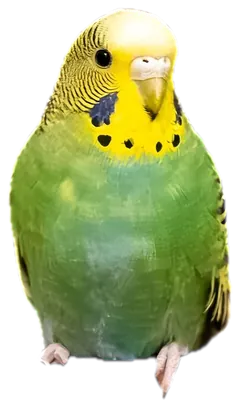
Budgies: lifespan, size, diet and care
Indoors they need a UV lamp for birds: window glass blocks the rays they need.
Take the quiz: is it right for you?
How big it is
An adult is up to 20 cm (8 in) long.
Zoomed ×8: here you see the man up to 23.8 cm (9 in) off the ground
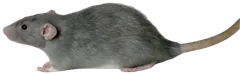 1Pet ratlong (head and body) 45 cm (18 in)
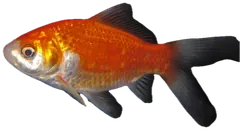 2Goldfishlong 25 cm (10 in)
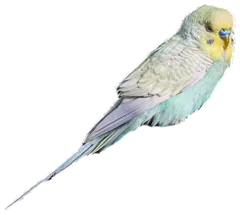 3Budgieslong 20 cm (8 in)
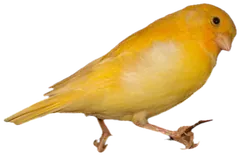 4Canarylong 20 cm (8 in)
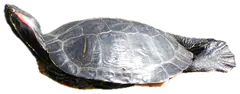 5Red-eared slidershell 29 cm (11 in)
Before it arrives
- A companion of the same species: budgies live in flocks
- A cage at least 1.5 times its wingspan in height, width and depth (2 times if it stays inside most of the time); an aviary is better
- At least 6 hours a day out of the cage, in a safe room where it can fly: windows closed, fans off, never the kitchen
- Natural branch perches of different thicknesses; no sandpaper perches
- A bird UV lamp above the cage: window glass blocks UVB
- Budgie pellets, a few seeds, fresh vegetables; drinking water and a shallow dish for bathing
- Paper on the cage floor (not wood chips, corncob or cat litter) and a digital gram scale
- A home without cigarette smoke, air fresheners or overheated non-stick pans: the fumes can kill it
Its home: temperature and light
- The room
- 12–26 °C (54–79 °F)
- Light
- 12–14 hours a day
- UVB lamp
- needed
What it eats and how often
budgie mix, vegetables; never avocado
- Adults: every day
Budgie pellets always available (about 80% of what it eats) plus a few seeds every day: on pellets alone, budgies can get kidney problems. The rest fresh vegetables (kale, carrot, sweet potato): fruit and veg no more than a quarter of the diet. Never avocado, chocolate, caffeine, alcohol or salty food.
Vaccines and checkups
Usually none: there are a few bird vaccines, but most pet birds don't get vaccinated. Ask your vet.
A checkup at the vet every year. Once a year, with an avian vet.
The care calendar
What to do, from the most frequent to the least.
- every dayFresh food and waterWash the bowls and water bottle every day with hot, soapy water (rinsing isn't enough) and change the water.
- every dayCage paperChange the cage paper every day: that way you can see how many droppings there are and their color.
- every weekWeigh-inUse a digital gram scale and note the weight: if it changes by more than 10%, see the vet.
- every weekFull clean of the cageAt least once a week, with a bird-safe disinfectant.
- every weekBath timeOnce or twice a week, even in winter: a shallow dish of water or a mister.
- every 6 monthsUVB lampThe bulb keeps giving light even after its UVB is gone: replace it after 6 to 12 months, as the brand says.
- every yearCheck-upOnce a year, with an avian vet.
Call the vet right away if…
If you see one of these signs, call your vet now: don’t wait for it to pass.
- Sits fluffed up and sleeps more than usual with its eyes closed
- Its tail bobs with each breath, or you hear wheezing
- Sits on the cage floor, is weak or loses its balance
- Has lost more than 10% of its weight
- Throws up food, or its droppings change in color, amount or texture
Frequently asked questions
How long does a budgie live?
Usually 5–10 years.
How big is a budgie?
An adult is up to 20 cm (8 in) long.
How much does a budgie weigh?
An adult weighs under 50 g (1.8 oz).
What does a budgie eat, and how often?
Budgie mix, vegetables; never avocado. Budgie pellets always available (about 80% of what it eats) plus a few seeds every day: on pellets alone, budgies can get kidney problems. The rest fresh vegetables (kale, carrot, sweet potato): fruit and veg no more than a quarter of the diet. Never avocado, chocolate, caffeine, alcohol or salty food. Adults: every day.
Does a budgie need vaccines?
Usually none: there are a few bird vaccines, but most pet birds don't get vaccinated. Ask your vet.
When should a budgie see a vet right away?
Right away if you see one of these signs: sits fluffed up and sleeps more than usual with its eyes closed; its tail bobs with each breath, or you hear wheezing; sits on the cage floor, is weak or loses its balance. The others are above, in “Call the vet right away if…”.
How old is a budgie in human years?
There’s no serious human-years chart for a budgie: the ones online don’t cite sources. What counts is where it is in its life: its senior years start at about 3.8 to 7.5 years old.
Tools for your budgie
Always ask your vet: this site helps you understand, it doesn’t replace a checkup.
Sources
- RSPCA, Pet birds: environment (checked on September 30, 2026)
- Merck Veterinary Manual, Table: Popular Pet Birds (checked on September 30, 2026)
- Association of Avian Veterinarians, Basic Care for Companion Birds (PDF) (checked on October 13, 2026)
- Merck Veterinary Manual, Feeding a Pet Bird (checked on October 13, 2026)
- Royal Veterinary College, Budgerigar care (2024, PDF) (checked on October 14, 2026)
- Merck Veterinary Manual, Importance of Veterinary Care in Pet Birds (checked on October 13, 2026)
- Association of Avian Veterinarians, Signs of Illness in Companion Birds (PDF) (checked on October 13, 2026)
- Association of Avian Veterinarians, Ultraviolet Light as a Critical Component of Companion Bird Husbandry (PDF, 2024) (checked on October 13, 2026)
- Merck Veterinary Manual, Signs of Illness in Pet Birds (checked on October 13, 2026)
- Royal Veterinary College, Cockatiel care (2022, PDF) (checked on October 14, 2026)
- Merck Veterinary Manual, Providing a Home for a Bird (checked on October 13, 2026)
- Animal Diversity Web, Melopsittacus undulatus (checked on October 13, 2026)