How old is your pet, really?
Pick who lives with you. Human years for dogs and cats, with the vets’ formulas; for the other 18 pets, where they are in their life.
Who lives with you?
Small mammals
Spiders
Tap your pet: what it needs shows up below.

Dog
For your dog there are human years, calculated with the vets’ formula.

Cat
For your cat there are human years, calculated with the vets’ formula.

Rabbit
It usually lives 7–10 years.
Its senior years start at about 5.3 to 7.5 years old.

Guinea pig
It usually lives 5–8 years.
Its senior years start at about 3.8 to 6 years old.

Hamster
It usually lives 2–3 years.
Its senior years start at about 1.5 to 2.3 years old.

Pet rat
It usually lives 2–3 years.
Its senior years start at about 1.5 to 2.3 years old.
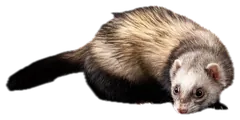
Ferret
It usually lives 6–10 years.
Its senior years start at about 4.5 to 7.5 years old.
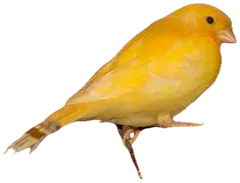
Canary
It usually lives 10–15 years.
Its senior years start at about 7.5 to 11.3 years old.
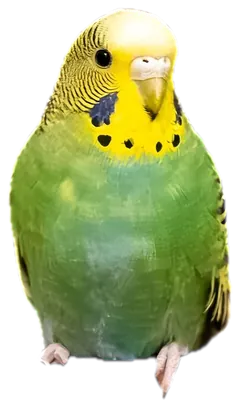
Budgies
It usually lives 5–10 years.
Its senior years start at about 3.8 to 7.5 years old.
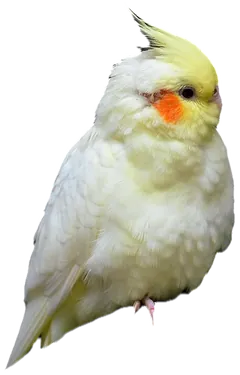
Cockatiel
It usually lives 10–20 years.
Its senior years start at about 7.5 to 15 years old.
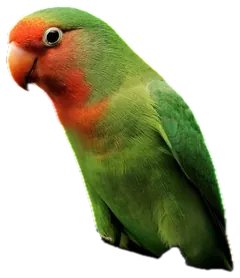
Lovebirds
It usually lives 10–15 years.
Its senior years start at about 7.5 to 11.3 years old.
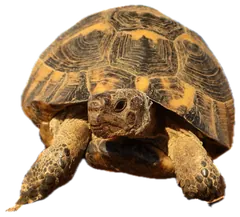
Tortoise
It usually lives 50–100 years.
Its senior years start at about 37.5 to 75 years old.

Red-eared slider
It usually lives 20–30 years.
Its senior years start at about 15 to 22.5 years old.

Leopard gecko
It usually lives 10–20 years.
Its senior years start at about 7.5 to 15 years old.
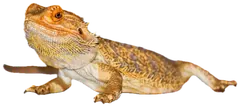
Bearded dragon
It usually lives 10–15 years.
Its senior years start at about 7.5 to 11.3 years old.
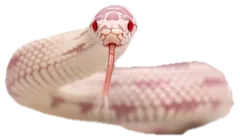
Corn snake
It usually lives 10–20 years.
Its senior years start at about 7.5 to 15 years old.
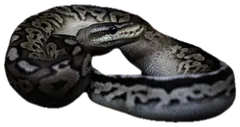
Ball python
It usually lives 20–30 years.
Its senior years start at about 15 to 22.5 years old.
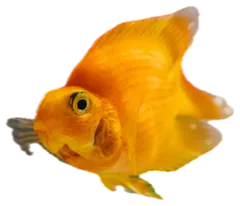
Goldfish
It usually lives 10–15 years.
Its senior years start at about 7.5 to 11.3 years old.
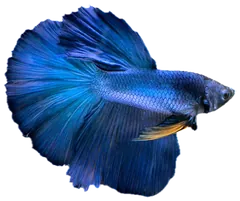
Betta fish
It usually lives 3–5 years.
Its senior years start at about 2.3 to 3.8 years old.
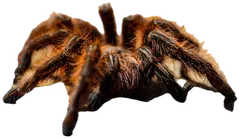
Tarantula
It usually lives males up to 10 years, females over 30.
Males live up to 10 years, females over 30: it depends on the sex, and only an expert can tell them apart.
Always ask your vet: this site helps you understand, it doesn’t replace a checkup.
Human years only exist for dogs and cats, where there are studies: the charts for other pets you find online don’t cite sources. Here you see where it is in its life; we count the senior years the way the AVMA does for dogs: the last quarter of the expected lifespan.
Sources
All 43 sources, pet by pet
- AVMA, “Caring for senior cats and dogs” (checked on October 6, 2026)
- Wang T. et al., “Quantitative Translation of Dog-to-Human Aging by Conserved Remodeling of the DNA Methylome,” Cell Systems 2020 (checked on October 6, 2026)
- International Cat Care, “How to tell your cat’s age in human years” (checked on October 6, 2026)
- RSPCA, Rabbit environment (checked on September 30, 2026)
- PDSA, How long do pets live? (checked on September 30, 2026)
- Rabbit Welfare Association & Fund, Vaccines (checked on September 30, 2026)
- RSPCA, Guinea pig health (checked on September 30, 2026)
- PDSA, Guinea pig health (checked on September 30, 2026)
- Merck Veterinary Manual, Description and Physical Characteristics of Guinea Pigs (checked on September 30, 2026)
- RSPCA, Hamster environment (checked on September 30, 2026)
- PDSA, Hamsters as pets (checked on September 30, 2026)
- Merck Veterinary Manual, Description and Physical Characteristics of Hamsters (checked on September 30, 2026)
- RSPCA, Rat environment (checked on September 30, 2026)
- PDSA, Rats as pets (checked on September 30, 2026)
- National Fancy Rat Society, Keeping rats as pets (checked on September 30, 2026)
- RSPCA, Ferret environment (checked on September 30, 2026)
- PDSA, Ferrets as pets (checked on September 30, 2026)
- American Ferret Association, Frequently asked questions (checked on September 30, 2026)
- Merck Veterinary Manual, table “Popular Pet Birds” (checked on October 13, 2026)
- Royal Veterinary College, “Canary care and advice” (2022) (checked on October 13, 2026)
- German Animal Welfare Federation (Deutscher Tierschutzbund), “Canaries” (checked on October 13, 2026)
- RSPCA, Pet birds: environment (checked on September 30, 2026)
- Association of Avian Veterinarians, Signs of illness in companion birds (PDF) (checked on September 30, 2026)
- RSPCA, Handle with care: Spur-thighed, Hermann's, marginated and Horsfield's tortoises (PDF) (checked on September 30, 2026)
- British Chelonia Group, Care sheet for Mediterranean tortoises (checked on September 30, 2026)
- Merck Veterinary Manual, Table: Important Husbandry Requirements for Selected Reptiles (checked on September 30, 2026)
- Italian Ministry of the Environment (MASE), guidelines on land tortoises (2019) and CITES note of 4 March 2026 (checked on October 13, 2026)
- Italian Ministry of the Environment (MASE), CITES note of 4 March 2026, and Regulation (EU) 2026/1383 (checked on October 13, 2026)
- RSPCA, Terrapin care (checked on September 30, 2026)
- Regulation (EU) No 1143/2014 on invasive alien species (arts. 7 and 31) and Implementing Regulation (EU) 2016/1141 (Union list) (checked on October 13, 2026)
- RSPCA, Leopard gecko care (checked on September 30, 2026)
- RSPCA, Bearded dragon care (checked on September 30, 2026)
- RSPCA, Corn snake care (checked on September 30, 2026)
- RSPCA, Royal python care (checked on September 30, 2026)
- Italian Legislative Decree 135 of 5 August 2022, art. 3 (wild-caught exotic animals) (checked on October 13, 2026)
- RSPCA, Fish (checked on September 30, 2026)
- OATA, How to look after goldfish in an aquarium (checked on September 30, 2026)
- Merck Veterinary Manual, Routine Health Care of Fish (checked on September 30, 2026)
- RSPCA, Fish environment (checked on September 30, 2026)
- OATA, How to look after Siamese fighting fish (bettas) (checked on September 30, 2026)
- Royal Veterinary College, “Tarantula care” (2024) (checked on October 13, 2026)
- University of Illinois, College of Veterinary Medicine, “Caring for pet tarantulas” (checked on October 13, 2026)
- University of Kentucky, Entomology, “Exotic bugs: care and feeding” (checked on October 13, 2026)